
You drop the rig, it hits bottom, and you wait. Nothing. You reel up, check the bait, drop again — and still nothing. The sounder shows fish. The bait is fresh. The rig is right. So why will nothing bite?
More often than you would think, the answer is the weight. Not the bait. Not the hook. The weight.
Picking the right deep drop fishing weight sounds like a small detail. It is not. The weight decides how your bait looks, how it moves, and whether you can feel anything at all. Get it wrong in either direction and you can fish all day over good marks and go home wondering what happened. Here is how to pick it, how to tell when it is wrong, and how to fix it on the water.
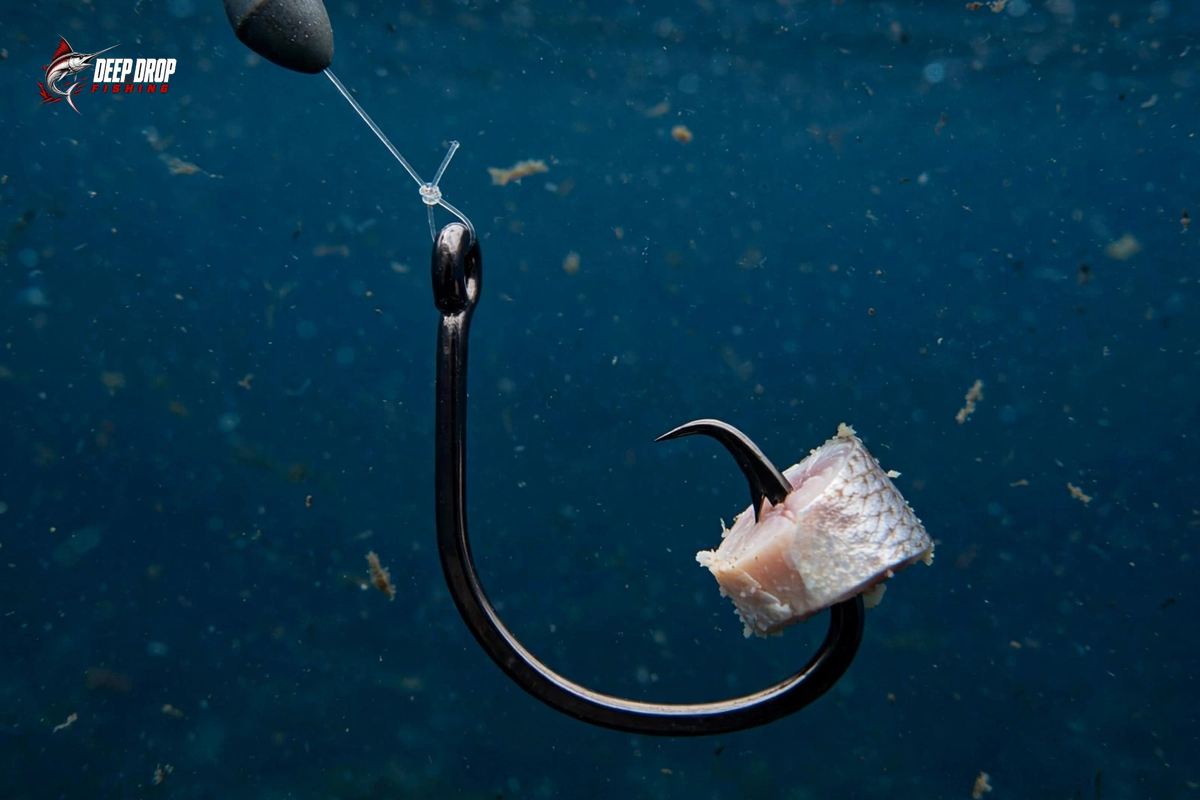
Why the Wrong Weight Costs You Fish
A deep drop fishing weight does two jobs at once: it carries the rig down and holds it where the fish are, and it connects you to the bait so you can feel what is happening at the other end of the line. Too much weight breaks the second job. Too little weight breaks the first. Either way, you lose fish.
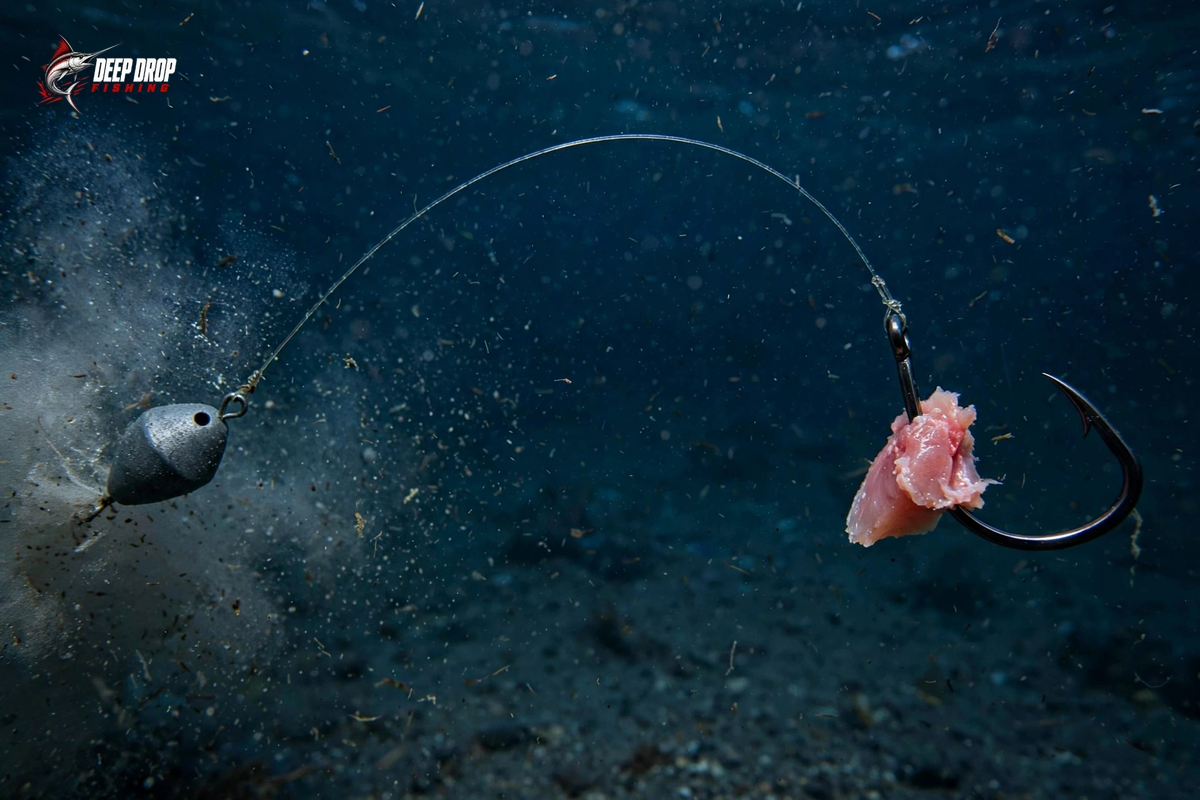
Too heavy, and you go numb. A weight that is far heavier than it needs to be pins the rig to the bottom and turns the whole setup dead. The bait sits pinned or dragged unnaturally along the seafloor instead of hanging and drifting the way a real baitfish or squid would. Worse, the extra mass swallows the signal. A soft pickup — the gentle mouthing a deep fish often gives a bait before committing — never reaches the rod tip. The weight absorbs it.
Too light, and you fish empty water. A weight that is too light for the current never holds bottom. The current grabs the rig, pushes it sideways, and carries it off the structure you meant to fish. You think you are sitting on the spot, but your bait is drifting over sand while the fish hold tight to the rock, ledge, or wreck. Light weight also leaves the line bowed and slack, which kills feel in the opposite direction.
How to Tell Your Weight Is Wrong
You cannot watch a rig sitting hundreds of feet down, but the rig tells you what is happening if you know what to read. Check these signs before you change anything else.
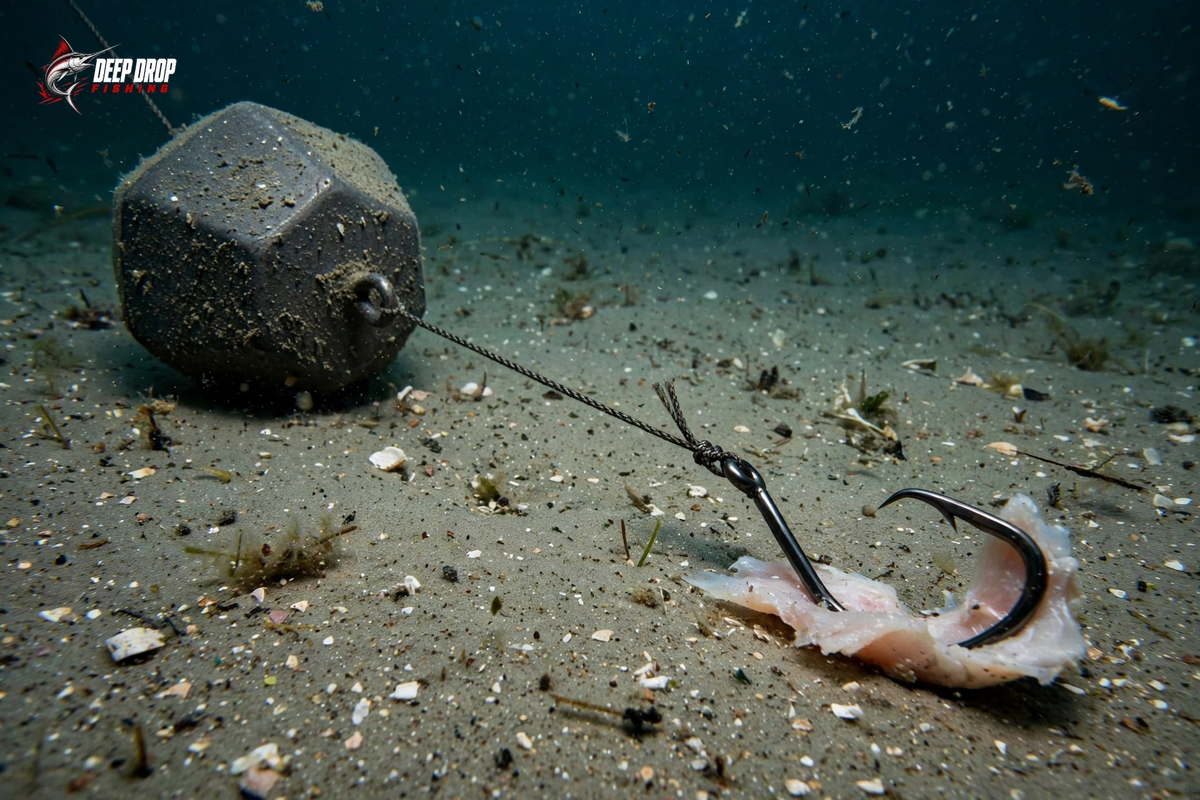
Your line is slack or drifting. Drop to the bottom and watch the line. If it bows off to one side, keeps walking away from the boat, or never really comes tight, the current is winning. The rig is not holding. That is the clearest sign you need to go heavier.
You cannot feel the bottom. A rig that is holding should telegraph the bottom to you: a firm tap when the weight touches down, and steady contact as you hold it there. If the bottom feels vague or absent, the weight is too light to keep the line straight, or the current has already carried the rig off the spot.
You cannot feel the bite. This is the one that costs the most fish. You reel up to find a bait that has been chewed or half-eaten, and you never felt a thing. If that keeps happening, your weight is probably too heavy. The rig is so anchored and so dead that soft pickups die in the weight before they reach your hands. When you cannot feel the bite, go lighter.
If you see two or more of these signs, do not re-rig the whole setup. Change the weight first.
Step-by-Step: Dial In Your Weight
Weight is not a set-and-forget choice. It is a setting you adjust to the water you are fishing right now.

Step 1: Start with the lightest weight that holds. Begin light, not heavy. Pick the smallest weight you think might hold bottom in the current you see, and send the rig down. Starting light keeps you sensitive. You can always go heavier.
Step 2: Read the current before you drop. Watch the water, the drift of the boat, and the angle of your line on the way down. A line that drops straight means light current. A line that bows sideways means the current is already pushing the rig. The stronger the push, the more weight you will need to hold once you get there.
Step 3: Test the hold on the bottom. When the weight touches down, hold it still. A good hold feels like this: the line stays near vertical, the weight stays put, and you feel steady bottom contact with every small lift of the rod. If the line keeps bowing away or the rig keeps walking, the weight is not holding. Go heavier.
Step 4: Run the feel test. With the rig holding, lift the rod tip slowly and set it back down. You should feel the weight clearly — a distinct tap and a clean sense of the rig following the rod. If the rig feels vague or dead, like you are connected to a brick instead of a bait, the weight is too heavy. Go lighter until the rig comes alive in your hands again.
Step 5: Adjust in small steps. Change weight one size at a time. Big jumps overshoot the sweet spot. If you went from holding to drifting, the right weight is one step back up. If you went from feeling everything to feeling nothing, the right weight is one step back down.
Step 6: Re-check as conditions change. Current is not constant. It strengthens and eases with the tide, and it can run differently at depth than on the surface. A weight that held perfectly an hour ago can start drifting when the tide turns. Every time the drift, the bite, or the bottom feel changes, run the hold-and-feel test again.
It takes a minute per drop and it saves hours of fishing dead water.
Deep-Drop Specifics: Current, Depth, and Weight
In shallow water, a wrong weight costs you a little. In deep water, the same mistake is multiplied. A rig dropped hundreds of feet has a long column of line for the current to push against, so a weight that would hold easily in fifty feet can drift badly at depth. The deeper you fish, the more the current gets a vote — and the more important the weight becomes.
Depth also multiplies the feel problem. A long stretch of line already softens the signal from the bait. Add an overweight sinker on top of that, and the soft pickups that make up so much of deep-drop fishing never reach you. That is why the lightest-weight-that-holds rule matters more the deeper you go.
Current is the biggest variable of the three. In gentle current and moderate depth, a modest weight holds fine and keeps you sensitive. In a ripping current at real deep-drop depth, the same rig needs far more weight just to stay on the spot. The mistake is treating weight as a fixed number instead of a match to the water. Match the weight to the current plus the depth you are actually fishing, not to what worked last trip in different water.
The sweet spot is easy to describe: just enough weight to hold bottom and keep the line near vertical, and no more. At that point the rig sits where the fish are, the bait hangs and drifts naturally instead of being pinned or swept away, and every tap travels straight up the line to your hands. For the rigs and setups behind these choices, see our deep-drop gear and rigs guide.
FAQ
What is the single biggest sign my weight is wrong?
Line behavior. If your line bows, slacks, or drifts off the spot, go heavier. If you cannot feel the bite and baits come back chewed, go lighter. Those two reads solve most weight problems.
Does depth change the weight I need?
Yes. Deeper water means more line for the current to push, so the same current demands more weight at depth than it does in shallow water. Depth also softens feel, so the lightest-weight-that-holds rule matters even more the deeper you go.
Can the wrong weight really cost me fish if everything else is right?
Yes — that is exactly how it costs fish. A perfect bait on a perfect rig still fails if it is pinned dead on the bottom or drifting over empty water. Weight controls where the bait sits and whether you feel the bite.
How often should I re-check my weight?
Every time conditions change: tide turn, drift change, depth change, or a run of missed bites. A one-minute hold-and-feel test beats an hour of fishing the wrong weight.
The Bottom Line
Weight is not a detail you set once and forget. It is the setting that decides whether your bait sits where the fish are and whether you feel them when they eat. Too heavy and you go numb — bait pinned, soft pickups swallowed, bites you never know about. Too light and you fish empty water — rig swept off structure, line bowed, bait drifting away from the fish. The fix is simple: match the weight to the current plus the depth, just enough to hold bottom and feel every tap. Line slack or drifting means go heavier. Cannot feel the bite means go lighter.
For more step-by-step deep-drop help, see our deep-drop fishing guides.