What Is Deep Drop Fishing?
Quick answer
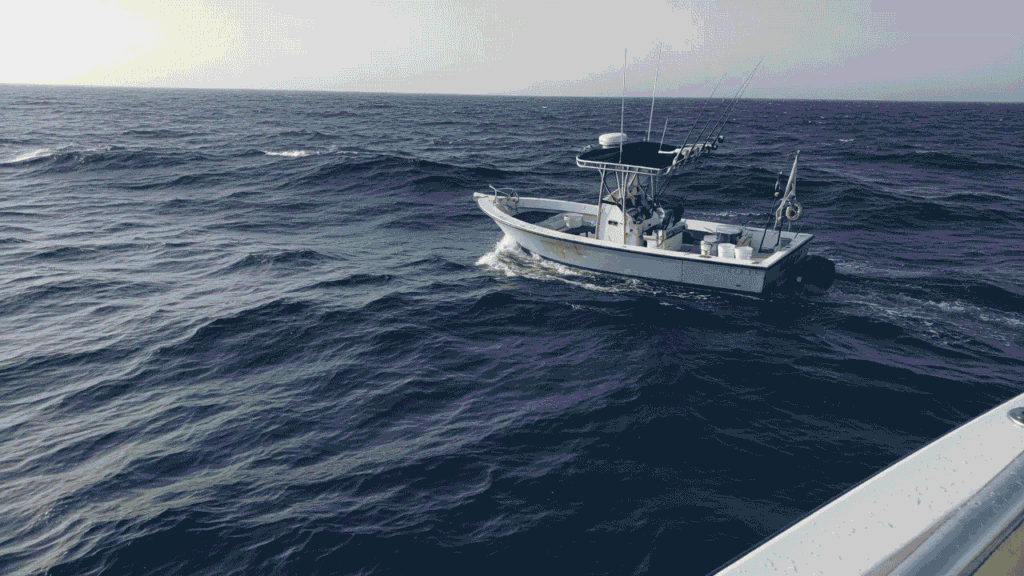
Deep drop fishing is offshore bottom fishing in deep water — often 300 to 1,500 feet, sometimes more. You drop a heavy weight and a baited rig straight down, hold it on or just off the bottom, and fish species that live in that dark zone: tilefish, snowy grouper, queen snapper, barrelfish, and others. Most people run an electric reel because cranking that much braid by hand is a long, hard job.
How deep is “deep drop”?
There isn’t a legal line on the chart that says “deep drop starts here.” In US offshore talk, it usually means you’re fishing hundreds of feet, not the 40- or 80-foot wreck you might work with a conventional setup.
A practical range:
- Shallower deep drop: about 250–500 feet (yelloweye snapper, some grouper, blueline tilefish in the right water)
- Classic deep drop: about 500–1,000 feet (golden tilefish, snowy grouper, barrelfish)
- Extra deep: 1,000–1,800+ feet (queen snapper in some areas, bigger snowies, odd deep-water fish)
If your sinker is measured in pounds, not ounces, and your retrieve takes minutes, you’re in deep-drop territory.
Deep drop vs regular bottom fishing
Regular bottom fishing and deep dropping are cousins. Both put bait on the bottom. The difference is scale.
| Typical bottom fishing | Deep drop | |
|---|---|---|
| Depth | Tens of feet to maybe 200 | Hundreds to 1,500+ |
| Weight | Ounces | 2–8 pounds, sometimes more |
| Reel | Conventional or spinning | Often electric; some still hand-crank |
| Rig | One or two hooks | Multi-hook “chicken” or stiff rig |
| Time per drop | Short | Long — drop, soak, wind |
You’re not sight-fishing. You’re not skipping a lure under a mangrove. You’re fishing a machine and a sounder in water you can’t see.
Why electric reels show up so often
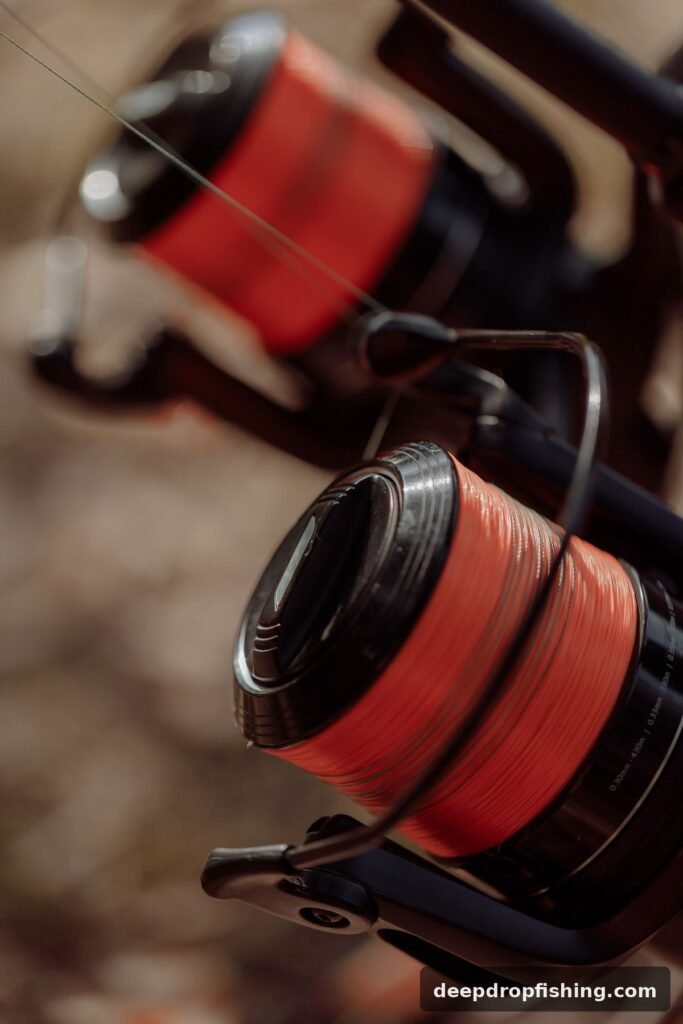
You can deep drop with a two-speed conventional reel. Plenty of people do, especially for tilefish in the mid-depths. The problem is physics: 80-pound braid, a few pounds of lead, current, and a fish that doesn’t want to leave the bottom.
An electric reel (Daiwa Tanacom-class, Shimano Beastmaster-class, and similar) holds a lot of heavy braid, lowers the rig, and brings it back without turning the trip into a gym session. That’s why they’re the usual tool when the water is really deep or you’re making a lot of drops.
This site will explain what that gear does. It isn’t a store.
What’s on the rig
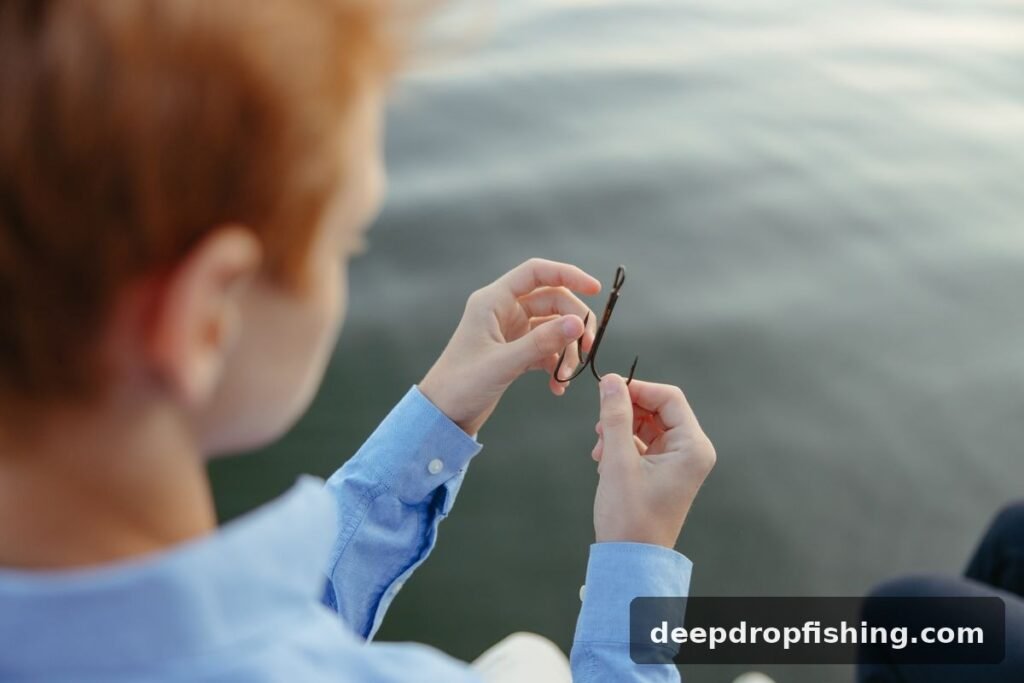
Most deep drop rigs are a main leader with several dropper hooks above a heavy sinker. The common name is a chicken rig (sometimes called a gangion). A stiff rig uses a more rigid backbone so hooks don’t tangle as easily in current.
Typical pieces:
- Circle hooks, often 4/0 to 10/0 depending on the fish
- Heavy mono leader (often 130–200 lb class)
- A snap at the bottom so you can change weights
- 3–6 hooks spaced a foot or two apart
Bait is usually cut fish, squid, or whatever stays on the hook on a long drop. Deep-water fish aren’t usually picky. Durability matters more than a perfect match-the-hatch.
Full rig detail belongs in Deep Drop Fishing Rigs. The point here: you’re fishing a string of baits on the bottom, not a single jig you hop all day.
What you can catch
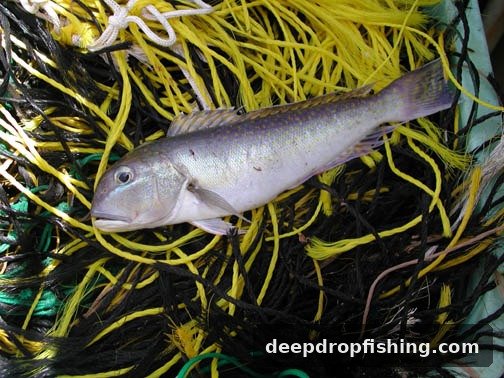
It depends on coast and depth, but US deep drop lists usually include:
- Golden tilefish — mud bottom, often 600–1,000+ feet
- Blueline tilefish — shallower than goldens in many places
- Snowy grouper — wrecks, ledges, hard bottom in deep water
- Queen snapper — deeper, often Keys and farther south
- Yelloweye snapper — shallower deep drop off South Florida
- Barrelfish — around deep structure
- Blackbelly rosefish and other “bycatch” that still makes a meal
Species will go fish by fish. Limits and size rules change. Check FWC in Florida state water and NOAA in federal water before you keep anything.
Why people do it
Three honest reasons:
1. Fish you don’t catch inshore. Tilefish and queen snapper aren’t sitting under a dock light. 2. Table fare. A lot of these fish are excellent eating. 3. The bottom is less crowded than a Saturday wreck in 80 feet — if you can run offshore and have the gear.
It’s also slower, heavier, and more expensive to start than tossing a jig. The method is simple. The setup is not cheap. That’s worth saying up front.
What you need to try it (short list)
You’ll get the full list in Deep Drop Fishing Gear. In one breath:
- A boat that can run to deep water and hold position
- A sounder you trust in that depth
- Heavy braid (often 65–100 lb)
- A reel that can pick up a lot of line (electric or a serious two-speed)
- A stout rod
- A chicken rig or similar, circle hooks, and several pounds of lead
- Bait that stays on
If you don’t have a boat, you’re reading — not fishing — until you go with someone who does. This site still explains the method so you know what you’re looking at.
Safety, in one paragraph
A 5-pound sinker on 1,000 feet of braid is not a toy. Keep the drop clear of people, watch the spool, mind weather and distance from inlet, and don’t deep drop in a storm because “the bite is on.” Line under load can cut. Heavy lead on a swing can break a bone. File a float plan like you would for any long offshore run.
FAQ
Is deep drop fishing the same as bottom fishing? Same idea — bait on the bottom — different depth, weight, and usually a multi-hook rig and a lot more line.
Do you need an electric reel? Not always, especially on the shallower end. Past several hundred feet, most people use one because the retrieve is long.
How far offshore do you have to go? It depends on the coast. Off South Florida the drop-off is close. In the Gulf you may run much farther to find the same depth. The number that matters is depth and bottom, not miles on the GPS by themselves.
Is it legal? The method is legal in US waters if you follow size limits, bag limits, seasons, and gear rules (circle hooks, descending devices, and federal vs state lines). Rules are not the same everywhere. Look up current FWC or NOAA regulations for your fish and your water.
Read next
Keep Reading
- How to Deep Drop Fish
- Deep Drop Fishing Gear: The Complete Beginner Setup
- Deep Drop Fishing Rigs: Chicken Rig vs Stiff Rig vs Dropper Rig [2026 Guide]
About DeepDropFishing.com
DeepDropFishing.com is run by Bala, an offshore angler who started with deep drop fishing — electric reels, heavy tackle, and bottom fish in hundreds of feet of water — and now covers offshore and onshore fishing too. The site publishes clear, practical guides on gear, rigs, and technique. It is an independent information site; we do not sell trips or charters.