Offshore · 300 to 1,500+ feet · Bottom
Deep Drop Fishing
Bottom fishing — except the lake is the ocean, the bottom can sit more than a thousand feet down, and what comes up might be a tilefish, a snowy grouper, or a bright-red queen snapper.
Start here
Pick the guide that matches the search
The method
What is deep drop fishing?
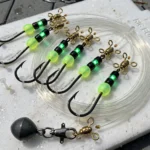
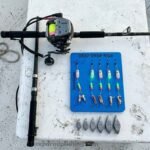
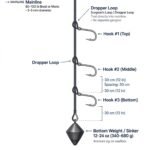
Deep drop fishing is offshore bottom fishing in deep water — often 300 to 1,800 feet. You send a heavy weight and a baited multi-hook rig straight down, keep it on the bottom, and fish animals that live in the dark: tilefish, snowy grouper, queen snapper, barrelfish, rosefish, and sometimes swordfish during the day.
Commercial crews have done this for decades. Recreational boats got in when electric reels and better braid made a 1,000-foot retrieve realistic. It is still work. It is still not cheap. It is also not a mystery once you see the steps.

On the water
How a drop actually works
Most Florida deep dropping happens in 600 to 1,800 feet, depending on the fish. Tilefish want mud. Grouper, queen snapper, and barrelfish hold on ledges, humps, and wrecks.
Find the bottom
A sounder that can actually read those depths — not a shallow inshore unit. Depth and bottom type matter more than a lucky waypoint.
Stay vertical
Off the east coast in the Gulf Stream you may need five pounds of lead or more. Too little weight and you never know when you hit.
Wind with purpose
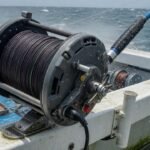
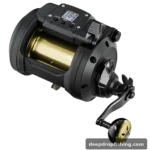
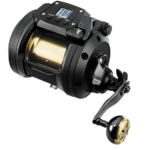
A bite at that depth is often a race: get the fish off the bottom before a shark does. That is why people pay for an electric reel.
What comes up
Popular Florida deep drop species
These are not dock-light snook. They live in cold, dark water. Always confirm current FWC and federal harvest rules before you keep a fish.


Read next
Latest guides
Basics
What Is Deep Drop Fishing?
Typical depths, electric reels, and how it differs from regular bottom fishing.
How-to
How to Deep Drop Fish
Dock checklist, then the drop: find the bottom, bait the chicken rig, tend it, and wind.
Rigs
Chicken Rig vs Stiff Rig
The three main deep drop rigs, when to use each, and how to keep them from tangling.
How this site works
Built to answer the search
No charters, no packages, no booking form. The work is the articles.
Size limits change. Confirm FWC and federal numbers before you keep a fish.
Written like an offshore angler talking to another angler — not a brochure.
Ready to go deeper?
Start with what it is, then the step-by-step drop. Gear, species, and Florida notes are next.